
Edmund Christopher Murray Takes Office as New State Senator for District 1

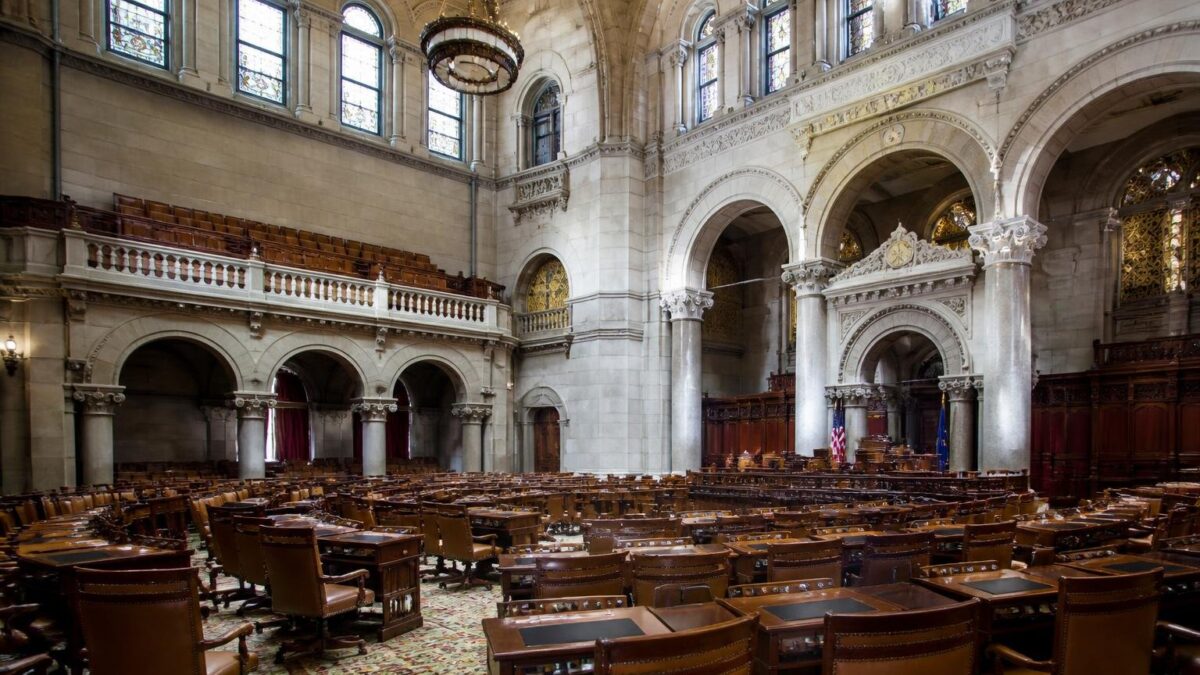
Edmund Christopher Murray has assumed office as the new State Senator for New York’s First District, representing a vast expanse of Long Island that includes communities across the South Shore and East End. The transition marks a significant shift in representation for a district that encompasses some of Suffolk County’s most diverse municipalities.
The First State Senate District stretches across a substantial portion of Long Island, including parts of Brookhaven, Southampton, East Hampton, Shelter Island, and Southold. This geographic span means Murray will serve constituents ranging from suburban neighborhoods to agricultural communities and coastal villages, each with distinct priorities and concerns.
District Composition and Demographics
The sprawling nature of District 1 presents unique challenges for any elected official. The region includes year-round residential communities, seasonal tourism destinations, working farms, commercial fishing operations, and suburban developments. Population density varies dramatically from the more developed western portions to the rural eastern reaches of the North and South Forks.
Voters in this district have historically balanced concerns about property taxes, school funding, environmental protection, and economic development. The coastal location of much of the district means issues related to water quality, beach access, and storm resilience remain perpetual priorities for constituents.
Key Issues Facing the District
As Murray settles into his role, several pressing matters demand attention. Housing affordability has reached crisis levels across Long Island, with the median home price in many East End communities now exceeding one million dollars. This pricing structure has created severe workforce shortages as teachers, healthcare workers, and service industry employees struggle to find affordable housing within commuting distance of their jobs.
Water quality concerns continue to escalate throughout the district. Nitrogen pollution from aging septic systems threatens both drinking water supplies and the region’s precious coastal bays and estuaries. The economic vitality of commercial fishing and tourism industries depends on maintaining water quality, yet residential development patterns established decades ago created infrastructure challenges that require substantial public investment to address.
Transportation infrastructure represents another critical concern. The Long Island Rail Road serves the western portions of the district, but many communities lack reliable public transit options. Traffic congestion on Route 27 and the Long Island Expressway affects quality of life and economic activity, particularly during summer months when tourism peaks.
Educational and Municipal Priorities
School districts throughout the First Senate District face mounting pressures. While many Long Island districts maintain strong academic reputations, funding formulas and state aid distributions remain contentious topics. School administrators consistently advocate for increased state support to offset property tax burdens that rank among the highest in the nation.
Municipal governments across the district grapple with aging infrastructure, from water treatment facilities to road networks. Coastal communities face the additional burden of adapting to climate change impacts, including rising sea levels, increased storm intensity, and shoreline erosion. These challenges require substantial capital investment that often exceeds local budgetary capacity.
Agricultural Community Concerns
The North Fork’s agricultural heritage remains economically and culturally significant. Farmland preservation efforts require ongoing state support, as development pressure threatens remaining agricultural parcels. The region’s wine industry has become a substantial economic driver, but producers face regulatory challenges and need infrastructure improvements to support agritourism growth.
Commercial fishing operations, once dominant throughout eastern Long Island, have contracted significantly over recent decades. Regulatory changes, competition for waterfront access, and environmental shifts have all contributed to industry challenges. Representatives from the fishing community seek state-level advocacy to protect their interests in regional fishery management decisions.
Environmental Protection Initiatives
Environmental concerns transcend partisan divisions throughout District 1. The Peconic Estuary, South Shore bays, and Long Island Sound all face water quality threats that require coordinated state and local responses. Funding for wastewater infrastructure upgrades represents a multi-billion dollar need across Suffolk County.
Coastal resilience planning has become increasingly urgent as storm events grow more severe and frequent. Communities that experienced devastating damage during Superstorm Sandy in 2012 remain vulnerable to future events. State assistance for flood mitigation projects, dune restoration, and infrastructure hardening continues to be essential.
Preservation of open space and protection of groundwater recharge areas remain priorities for environmental advocates throughout the district. The Long Island Pine Barrens, located partially within District 1, provides critical aquifer protection and habitat preservation benefits that require sustained conservation efforts.
Economic Development Challenges
Economic conditions vary dramatically across the district’s geography. The Hamptons communities generate substantial wealth through real estate transactions and luxury tourism, while other areas struggle with limited commercial development and stagnant wage growth. Creating year-round economic opportunities that provide middle-class incomes remains a persistent challenge.
Small business owners throughout the district cite regulatory burdens, high property taxes, and difficulty accessing capital as obstacles to growth. Tourism-dependent businesses face particular challenges related to seasonal workforce availability and the compressed operating seasons that characterize much of the East End economy.
Healthcare Access and Services
Healthcare delivery across the sprawling First District presents logistical challenges. While the western portions have reasonable access to hospital facilities, residents of the far East End often face substantial travel times for specialized medical services. Recruitment and retention of healthcare professionals remains difficult given housing costs and geographic isolation.
Mental health and substance abuse services require expansion throughout the region. The opioid crisis has affected Long Island communities across all demographic categories, and local advocates consistently press for increased state funding for treatment programs and prevention initiatives.
Looking Ahead
Murray’s effectiveness will ultimately be measured by his ability to secure state resources for district priorities while navigating the complex dynamics of Albany politics. The breadth of issues facing District 1 requires balancing competing interests and building coalitions across ideological lines.
Constituent services will play a crucial role in Murray’s tenure. Helping residents navigate state bureaucracies, resolve regulatory issues, and access available programs represents a fundamental responsibility that shapes public perception of elected officials.
The coming legislative session will test Murray’s priorities and political acumen as budget negotiations, policy debates, and local concerns converge in the state capital. How effectively he advocates for South Shore and East End interests while contributing to statewide policy discussions will define his impact as the representative of New York’s First State Senate District.