
Student Arrested at Local High School Following Incident

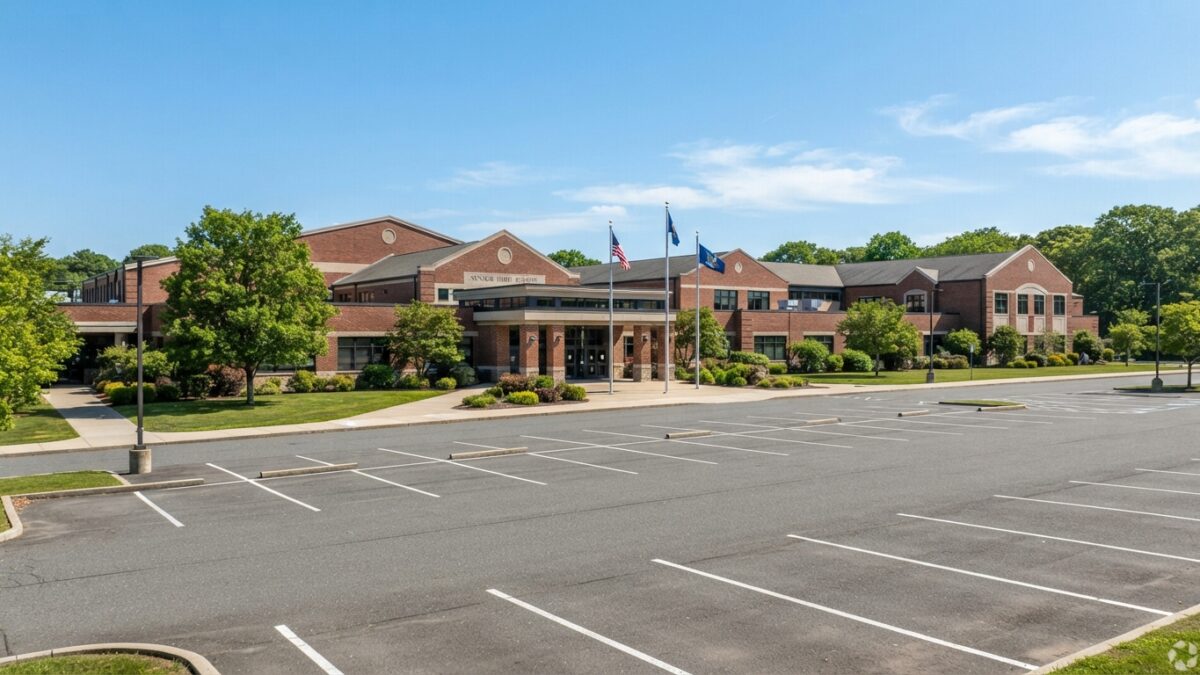
A student was arrested at a Long Island high school following an incident on campus, according to local authorities. The arrest marks another case in an ongoing conversation about school safety measures and law enforcement presence in educational settings across Suffolk County.
While specific details about the nature of the incident remain limited, the arrest underscores the protocols that school districts maintain for handling situations requiring police intervention. School officials worked in coordination with law enforcement to address the matter and ensure the safety of students and staff on campus.
School Safety Protocols in Focus
Long Island school districts maintain comprehensive safety plans that outline procedures for various emergency situations. These protocols typically include immediate notification systems, lockdown procedures when necessary, and established communication channels with local police departments.
When incidents occur that require law enforcement response, schools follow predetermined steps to minimize disruption while addressing the situation. School resource officers, where present, serve as liaisons between educational institutions and police departments, helping to coordinate responses that prioritize student safety.
Districts across Suffolk County have invested substantially in security infrastructure in recent years. Measures include controlled access points, surveillance systems, visitor management protocols, and staff training on threat assessment and de-escalation techniques.
Legal Considerations for Student Arrests
When arrests occur on school property, several legal frameworks come into play. New York State education law provides specific guidelines about when and how law enforcement may become involved in school matters. School administrators must balance their responsibility to maintain order with student rights and due process considerations.
Student arrests can result from various situations, ranging from violations of school policy that also constitute criminal offenses to incidents involving threats to safety. The involvement of law enforcement typically occurs when an incident exceeds the scope of school disciplinary measures or involves potential criminal activity.
Following an arrest, students may face both educational consequences through school disciplinary processes and legal consequences through the juvenile or criminal justice system. Schools must follow federal and state regulations regarding student privacy, even as they work to keep the broader school community informed about safety matters.
Communication with Parents and Community
School districts face the delicate task of communicating with parents and the community when incidents occur. Officials must provide sufficient information to address concerns while respecting privacy laws that protect student information and avoiding interference with ongoing investigations.
Many districts have established communication protocols that include direct notifications to parents when incidents occur, follow-up messages addressing safety measures taken, and opportunities for community members to seek additional information through appropriate channels.
The balance between transparency and confidentiality proves particularly challenging in cases involving minors. Federal privacy laws, including the Family Educational Rights and Privacy Act, restrict what information schools can share publicly about individual students.
Regional Context and Trends
School safety incidents across Long Island have prompted ongoing discussions about resource allocation, mental health services, and prevention strategies. Districts throughout Suffolk and Nassau counties have expanded their approaches to include not just reactive security measures but proactive programs addressing student wellness and conflict resolution.
Local school boards regularly review safety plans, incorporating feedback from administrators, teachers, parents, and law enforcement partners. These reviews examine both physical security measures and programs designed to create positive school climates that reduce the likelihood of incidents.
The presence of school resource officers varies across Long Island districts, with some maintaining full-time police presence while others rely on agreements with local departments for response as needed. This variation reflects different community priorities and resources available to individual districts.
Mental Health and Prevention Efforts
Schools across the region have increasingly recognized the connection between student mental health services and overall campus safety. Districts have expanded access to counselors, social workers, and psychologists who work to identify students in crisis and connect them with appropriate support.
Prevention programs teach students to recognize warning signs in themselves and peers, encouraging them to report concerns to trusted adults. Many schools have implemented anonymous reporting systems that allow students to share information about potential threats or students in distress.
These efforts reflect a broader shift in school safety thinking, moving beyond purely security-focused approaches to encompass social-emotional learning, conflict resolution training, and creating school environments where students feel connected and supported.
Looking Ahead
The incident requiring law enforcement intervention raises questions that many school communities continue to examine. How can districts maintain safe learning environments while preserving the educational mission? What resources do schools need to address both immediate security concerns and underlying factors that contribute to incidents?
School officials, parents, and community members continue working to refine approaches that protect students while supporting their development. This ongoing effort requires collaboration across multiple sectors, from education and law enforcement to mental health services and community organizations.
As more information becomes available about the specific incident, district officials will likely review procedures and determine whether any adjustments to safety protocols are warranted. Such reviews represent standard practice following significant incidents, helping schools learn from each situation and strengthen their preparedness.
The broader conversation about school safety remains active across Long Island, with stakeholders seeking solutions that address immediate security needs while fostering positive, supportive educational environments where all students can thrive.