
Welsh Coastal Town Draws Hamptons Comparison for Victorian Charm

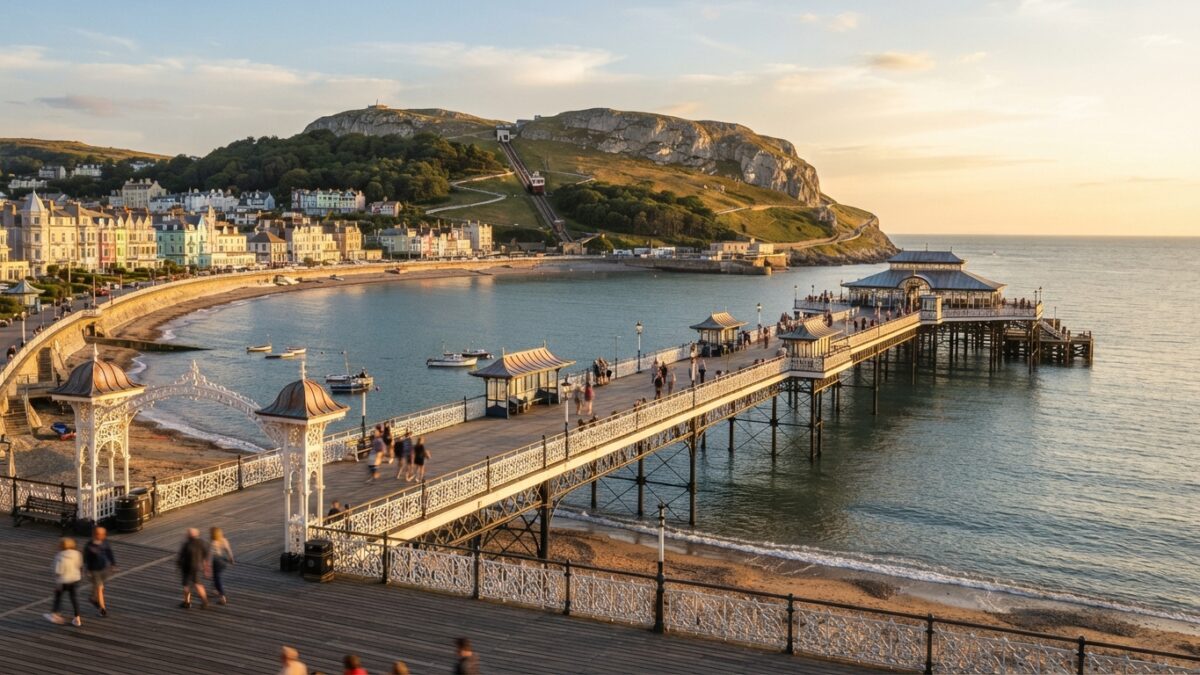
A Welsh coastal town has captured attention for its striking resemblance to the Hamptons, drawing comparisons for its elegant Victorian architecture, sophisticated atmosphere, and scenic waterfront. Llandudno, located on the north coast of Wales, features a historic tramway and a Victorian pier that have become symbols of its enduring appeal as a premiere seaside destination.
The town, which developed as a resort in the mid-19th century, has maintained much of its original character while adapting to modern tourism demands. The comparison to the Hamptons, though geographically distant, reflects shared characteristics: coastal beauty, historic preservation, architectural distinction, and an atmosphere that attracts visitors seeking refined seaside experiences.
Historic Transportation System Remains Operational
The Great Orme Tramway, which opened in 1902, continues to transport passengers up the limestone headland that overlooks the town. This cable-hauled tramway represents one of only three remaining systems of its type in the world. The tram climbs nearly 700 feet over the course of one mile, providing passengers with panoramic views of the coastline and the town below.
The tramway operates with two sections, each with its own cable system and winding mechanism. Passengers transfer between cars at the halfway station, a design that has remained essentially unchanged since the system’s inception. The engineering represents Victorian-era innovation that has proven remarkably durable, requiring maintenance but no fundamental redesign over more than a century of operation.
For residents and visitors alike, the tramway provides not just transportation but a living connection to the town’s history. The experience of riding the original cars up the headland offers a perspective on how previous generations experienced the landscape, creating continuity between past and present that many coastal communities have lost to modernization.
Victorian Pier Anchors Waterfront
Llandudno Pier, completed in 1878, extends 2,295 feet into the Irish Sea, making it the longest pier in Wales. The structure features ornate Victorian ironwork, traditional amusements, and shops that maintain period character while serving contemporary visitors. Unlike many British piers that have suffered from fire, storm damage, or demolition, Llandudno’s pier remains largely intact.
The pier serves multiple functions within the community. It provides a promenade for residents taking daily walks, a venue for special events, and a commercial space for businesses catering to tourists. The structure requires ongoing maintenance to address the corrosive effects of salt water and wind, but local authorities and preservation groups have prioritized its upkeep as central to the town’s identity.
Recent restoration efforts have focused on preserving original architectural details while ensuring structural safety. Balancing historic preservation with modern building codes presents ongoing challenges, but the commitment to maintaining the pier reflects broader community values around heritage conservation.
Architectural Consistency Defines Town Center
The town’s Victorian and Edwardian buildings form a cohesive architectural landscape that distinguishes Llandudno from many British seaside resorts that rebuilt after World War II or allowed piecemeal development. Planning policies have generally protected the historic character, preventing the construction of high-rise hotels or modernist structures that would disrupt the visual continuity.
The promenade features hotels, guesthouses, and residential buildings that maintain period facades, creating a streetscape that appears remarkably similar to historical photographs. White-painted buildings with bay windows and decorative trim line the waterfront, establishing an aesthetic that appeals to visitors seeking traditional seaside ambiance.
This architectural preservation has economic implications beyond tourism. Property values in historic districts often exceed those in areas with mixed architectural styles, creating financial incentives for maintaining period character. However, preservation also imposes costs on property owners who must use specific materials and techniques when making repairs or alterations.
Tourism Infrastructure Supports Year-Round Visitors
While many British seaside towns have struggled economically as package holidays abroad became affordable, Llandudno has maintained a stable tourism sector. The town attracts visitors during summer months but also serves as a destination for off-season breaks, conferences, and special events that extend the economic benefits of tourism throughout the year.
Accommodations range from large hotels to smaller guesthouses and self-catering properties. Restaurants, shops, and entertainment venues have adapted to changing visitor expectations while maintaining connections to local culture and history. The balance between serving tourists and maintaining community character remains an ongoing negotiation among residents, business owners, and local government.
The town’s position within Snowdonia National Park provides access to hiking, climbing, and other outdoor activities that complement the traditional seaside attractions. This diversity of offerings helps the town appeal to multiple demographics, from families seeking beach holidays to outdoor enthusiasts and culture-focused travelers.
Comparison to Hamptons Reflects Perception Shift
The characterization of Llandudno as the Hamptons of Wales reflects both the town’s qualities and changing perceptions of British seaside resorts. Where such destinations were once seen as dated or unfashionable, there has been renewed appreciation for historic coastal towns that offer alternatives to generic beach destinations.
The Hamptons comparison emphasizes elegance, exclusivity, and quality rather than mass-market appeal. This positioning aligns with efforts to attract visitors who value historic character and are willing to pay premium prices for accommodation and dining. However, this shift also raises questions about accessibility and whether the town remains welcoming to diverse economic groups.
Local businesses have responded to this perception by elevating offerings, with restaurants focusing on high-quality local ingredients and shops curating distinctive products rather than mass-produced souvenirs. This evolution reflects broader trends in tourism toward experiences that feel authentic and locally rooted rather than standardized.
Preservation Challenges Continue
Maintaining historic infrastructure requires sustained investment and expertise that can strain local resources. The tramway, pier, and historic buildings all demand specialized maintenance that costs more than modern construction would require. Funding these efforts involves balancing multiple priorities within limited municipal budgets.
Climate change presents additional challenges as sea level rise and increased storm intensity threaten coastal infrastructure. The pier and waterfront buildings face accelerating deterioration from more frequent exposure to severe weather. Planning for long-term resilience while preserving historic character requires careful consideration of which elements to protect and how to adapt to changing conditions.
The town continues to attract visitors who value its preserved character and scenic setting. Whether it can maintain this balance while addressing infrastructure needs and environmental challenges remains an open question that will shape its future as a destination.