
Nonstop Flights Launch Between New York and Northwest Florida Coast

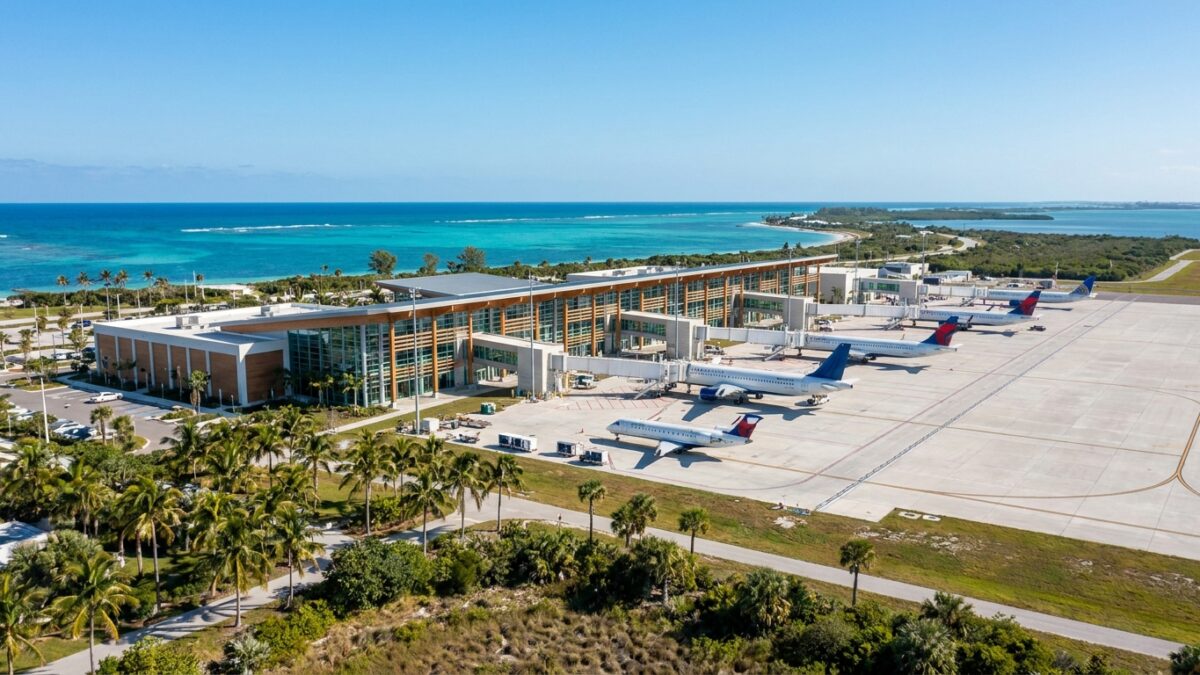
Travelers from the New York metropolitan area now have direct access to one of Florida’s most sought-after coastal destinations, as new nonstop flights connect the region to the beaches along Highway 30A in South Walton County. The route marks a significant shift in regional air connectivity and reflects the growing economic ties between Northeast communities and the Northwest Florida coastline.
The service operates through Northwest Florida Beaches International Airport in Panama City Beach, located approximately 20 miles from the string of beach towns that line County Road 30A. The airport has expanded its route network considerably over the past several years as the region has attracted increasing numbers of visitors and seasonal residents from the Northeast.
Gateway to a Growing Destination
Highway 30A stretches along roughly 24 miles of Gulf Coast shoreline in Walton County, connecting communities including Seaside, Rosemary Beach, Alys Beach, WaterColor, and Grayton Beach. These towns have developed distinctive identities characterized by New Urbanist architecture, elevated dining options, and upscale accommodations that have drawn comparisons to established Northeast resort areas.
The region has experienced substantial growth in visitor numbers and real estate values over the past decade. Property values along the corridor have increased markedly, with some beachfront homes commanding prices that mirror those in established resort markets. The area’s appeal has broadened beyond traditional Florida tourism patterns, attracting visitors seeking alternatives to more developed coastal destinations.
Direct air service addresses one of the primary barriers that previously limited access to the area for Northeast travelers. Prior to the nonstop route, visitors typically connected through Atlanta, Houston, or Charlotte, adding several hours to total travel time and creating scheduling complexities during peak seasons.
Economic Implications for the Region
The new flight route carries significant economic implications for Walton County and surrounding communities. Tourism represents a substantial component of the local economy, supporting employment in hospitality, retail, real estate, and service sectors. Enhanced air connectivity typically correlates with increased visitor spending and longer average stays.
Local business owners have anticipated the expansion of direct Northeast routes for several years. Restaurants, vacation rental management companies, and retail establishments stand to benefit from improved access, particularly during shoulder seasons when maintaining consistent visitor volume presents challenges.
The real estate market may also experience effects from improved connectivity. Second-home buyers and investors from the Northeast often cite travel logistics as a consideration in purchase decisions. Direct flights reduce the practical friction of maintaining properties and visiting regularly, potentially influencing market dynamics.
Airport Infrastructure and Capacity
Northwest Florida Beaches International Airport opened in 2010, replacing the smaller Panama City-Bay County International Airport. The facility was designed with expansion capacity to accommodate growing passenger volumes and additional routes. The airport currently serves approximately two million passengers annually, though that figure has fluctuated based on seasonal demand and route availability.
Airport officials have pursued route development as a strategic priority, working with airlines to identify viable markets and provide incentives for new service. The Northeast corridor represents a key target market given demographic and economic factors that align with the region’s tourism profile.
The facility includes a single terminal with eight gates, retail and dining concessions, and ground transportation options including rental cars and ride-sharing services. During peak travel periods, particularly summer months and holidays, the airport operates near capacity, and officials have discussed potential expansion scenarios to accommodate projected growth.
Seasonal Demand Patterns
The viability of air routes to beach destinations often depends on maintaining adequate load factors across varying seasonal demand. The 30A area experiences peak visitation during summer months, spring break periods, and major holidays, with notably lower volumes during fall and early winter.
Airlines typically adjust flight frequencies based on seasonal patterns, adding capacity during high-demand periods and reducing service during slower months. The sustainability of year-round nonstop service depends on achieving sufficient passenger volumes during off-peak periods, which can prove challenging for leisure-oriented routes.
Broader Aviation Trends
The introduction of this route reflects broader trends in regional aviation, including the growth of nonstop service between secondary markets and the increasing willingness of carriers to test routes serving leisure destinations. Airlines have become more sophisticated in analyzing demographic data, travel patterns, and economic indicators to identify potentially viable routes.
The expansion of service to Florida destinations from Northeast airports has accelerated in recent years, driven partly by demographic shifts including remote work arrangements that enable extended stays and the migration of retirees and part-time residents. These patterns have created demand for connectivity beyond traditional hub-and-spoke models.
Competition among Florida destinations for direct Northeast service remains intense. Established markets including Fort Myers, Sarasota, and Naples have long-standing route networks, while emerging destinations work to demonstrate sufficient demand to justify regular service.
Impact on Local Infrastructure
Increased visitor volumes resulting from improved air access place demands on local infrastructure and services. Highway 30A itself, a two-lane road for much portions of its length, experiences significant congestion during peak periods. Local officials have grappled with balancing tourism growth against quality-of-life concerns for permanent residents.
Walton County has invested in infrastructure improvements including intersection modifications, parking facilities, and pedestrian amenities to accommodate growing visitor numbers. However, expansion of roadway capacity faces constraints including environmental considerations and community opposition to changes that might alter the area’s character.
Water and wastewater systems, emergency services, and beach access facilities all require ongoing investment to maintain service levels as visitation increases. Funding for these improvements comes partly from tourist development taxes collected on short-term accommodations.
What Remains Uncertain
The long-term sustainability of the new nonstop route will depend on passenger volumes, yield management, and operational considerations that emerge over coming months. Initial service often operates on trial basis, with airlines evaluating performance metrics before committing to permanent schedule placement.
Weather-related flight disruptions, particularly during hurricane season from June through November, can affect route economics and passenger experience. The region’s exposure to tropical systems requires contingency planning by both airlines and travelers.
Competition from other Florida destinations and potential economic shifts affecting discretionary travel spending represent additional variables that will influence the route’s viability. The connection between Long Island communities and Florida’s Emerald Coast now depends less on geography and more on the practical economics of maintaining regular air service.