
How Suffolk County Town Board Meetings Work and How to Be Heard

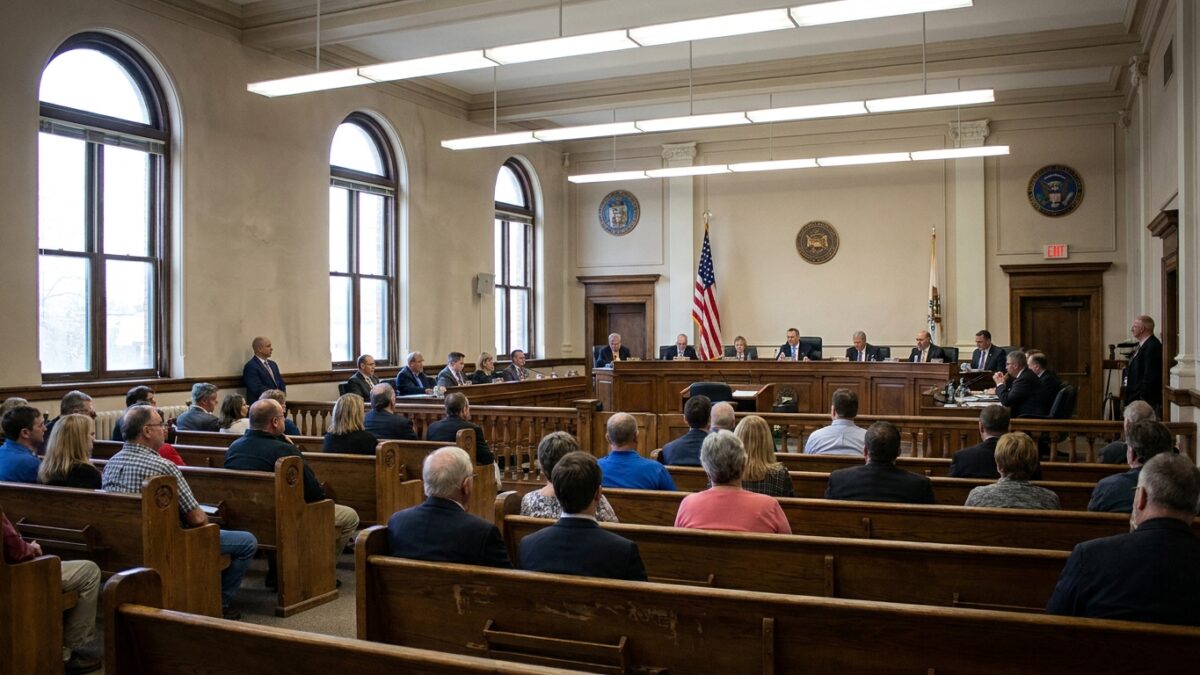
Town board meetings serve as the cornerstone of local democracy across Suffolk County, where elected officials make decisions on zoning changes, budgets, appointments, and policies that directly shape daily life. For residents unfamiliar with the process, these gatherings can seem formal or intimidating, but they remain one of the most accessible ways to influence government action in your community.
Understanding how these meetings operate and knowing your rights as a resident can transform you from passive observer to active participant in decisions affecting your neighborhood, school district, and local economy.
The Basic Structure of a Town Board Meeting
Town board meetings typically follow a standardized format governed by state law and local rules of procedure. The town supervisor chairs the meeting, joined by council members who together form the legislative body for the municipality. Most boards across the South Shore and East End convene twice monthly, though schedules vary by township.
Meetings generally open with the Pledge of Allegiance, followed by approval of minutes from the previous session. The board then moves through a written agenda that lists resolutions, public hearings, reports from departments, and designated times for public comment.
The consent agenda represents one of the more efficient mechanisms boards use to handle routine business. This section groups non-controversial items such as standard contracts, routine appointments, or procedural approvals into a single vote. Any board member can pull an item from the consent agenda for separate discussion, and residents attending can request the same during public comment periods.
When and How the Public Can Speak
New York State Open Meetings Law requires town boards to provide opportunities for public comment, though the specific structure varies by municipality. Most Suffolk County townships offer at least two comment periods during each regular meeting: one early in the session for general topics, and another during public hearings on specific matters like zoning applications or local laws.
General public comment periods typically limit speakers to three to five minutes each. You do not need to register in advance for most regular meetings, though some townships request that speakers sign in upon arrival. When called to speak, you approach a microphone, state your name and address for the record, and present your comments directly to the board.
The board is not required to respond immediately to comments made during these periods. Supervisors often acknowledge speakers and may direct staff to follow up, but substantive responses generally come at subsequent meetings after departments have time to research issues raised.
Public Hearings Versus Regular Comment
Public hearings differ significantly from general comment periods. State law mandates hearings for specific actions including budget adoption, zoning changes, and certain contracts. These hearings focus exclusively on the matter at hand, and comments must relate directly to that topic.
For public hearings, boards sometimes extend time limits or remove them entirely, recognizing the importance of thorough community input on major decisions. Hearings remain open until the board votes to close them, which can happen immediately or be continued to a future meeting if substantial testimony requires board members to deliberate further.
Written comments carry the same weight as oral testimony. Residents unable to attend can submit letters or emails that become part of the official record, and board members review these materials when considering their votes.
Understanding the Agenda and How Items Get Added
Meeting agendas are compiled by the supervisor’s office in consultation with department heads, the town attorney, and board members. Agendas must be posted publicly in advance, with most townships providing them on municipal websites at least 48 hours before meetings.
Reviewing the agenda beforehand allows residents to identify items of interest and prepare informed comments. Agendas typically include resolution numbers, brief descriptions of each item, and background materials for complex matters.
Residents can request that items be added to future agendas by contacting the supervisor’s office or their council representative. While boards control their agendas and are not obligated to add every requested item, persistent constituent interest often leads to matters being scheduled for discussion or formal board action.
What Boards Can and Cannot Do During Meetings
Town boards operate under specific legal constraints that shape what they can accomplish during any given meeting. Most significant actions require resolutions, which are formal motions that receive a second, allow for discussion, and are decided by roll call vote. The town clerk records each member’s vote, creating a permanent public record.
Boards cannot take action on items not listed on the agenda except in genuine emergencies, a protection designed to prevent surprise votes without public notice. This requirement ensures residents have opportunity to learn about and comment on pending decisions.
Executive sessions allow boards to discuss certain sensitive matters in private, including pending litigation, collective bargaining negotiations, personnel issues, and matters related to public safety. However, no votes can be taken in executive session. Boards must return to public session to vote on any actions discussed privately.
Making Your Comments Effective
Productive public comment requires preparation and focus. Successful speakers typically follow several practices that increase their impact. First, they research the specific issue, citing relevant laws, precedents, or data rather than relying solely on opinion. Second, they propose concrete solutions rather than simply identifying problems.
Addressing board members respectfully, even when disagreeing strongly with positions or decisions, maintains credibility and keeps focus on issues rather than personalities. Speakers who organize community members to attend and offer consistent messages on important topics often see greater board responsiveness than isolated individuals.
Following up matters in writing provides board members with reference materials they can review when making decisions. Emails to individual board members, copied to all members to comply with open meetings requirements, create additional touchpoints beyond the limited time available during meetings.
Accessing Meeting Records and Following Up
Town clerks maintain official minutes of all meetings, which become public records once approved by the board. Many townships now stream meetings live and post recordings online, making it easier for residents to review discussions they missed or rewatch portions relevant to their interests.
Minutes provide a summary of actions taken but typically do not include verbatim transcripts of discussions. For detailed information about what was said during debates, video recordings or audio files offer the complete record.
The Freedom of Information Law provides additional tools for residents seeking documents related to board decisions. Written requests to the records access officer, a position designated in every municipality, can yield contracts, correspondence, reports, and other materials that informed board votes.
Why Regular Attendance Matters
Consistent presence at meetings builds relationships with board members and demonstrates sustained community interest in local governance. Officials pay attention to residents who appear regularly, ask informed questions, and follow issues over time rather than showing up only when personally affected by a single decision.
Regular attendees develop understanding of how their board operates, which members champion which issues, and how decisions connect across multiple policy areas. This institutional knowledge makes participation more strategic and effective.
Local government remains the level where individual citizens exercise the most direct influence on decisions affecting their daily lives. Town board meetings, for all their procedural formality, represent democracy at its most accessible, where showing up and speaking clearly can genuinely shape outcomes in your community.